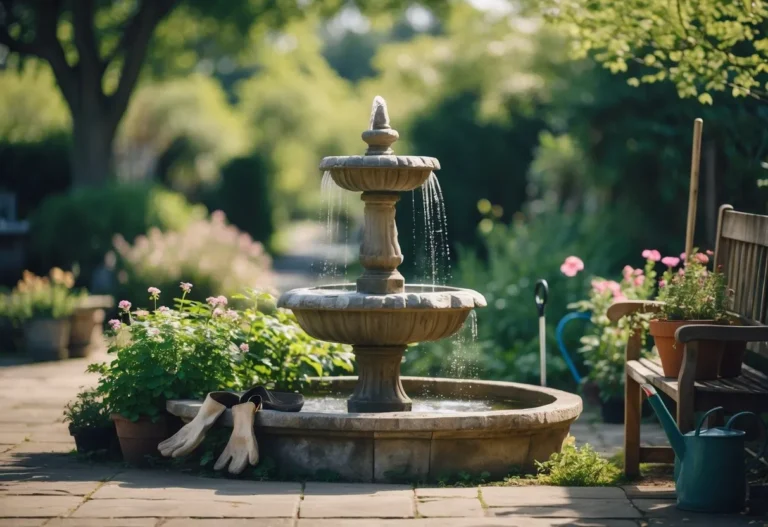
10 Solar Water Fountain Ideas That Transform Any Garden Corner
You want a small, peaceful water feature without the fuss of wiring or big projects, and a solar fountain can give your garden that calm, lived-in feel. You’ll find simple, stylish ideas that fit tiny corners, offer easy builds, and bring birds and soft water sound to your outdoor space. Expect practical tips, common mistakes to avoid, and quick wins that work even if you’re short on time or tools.
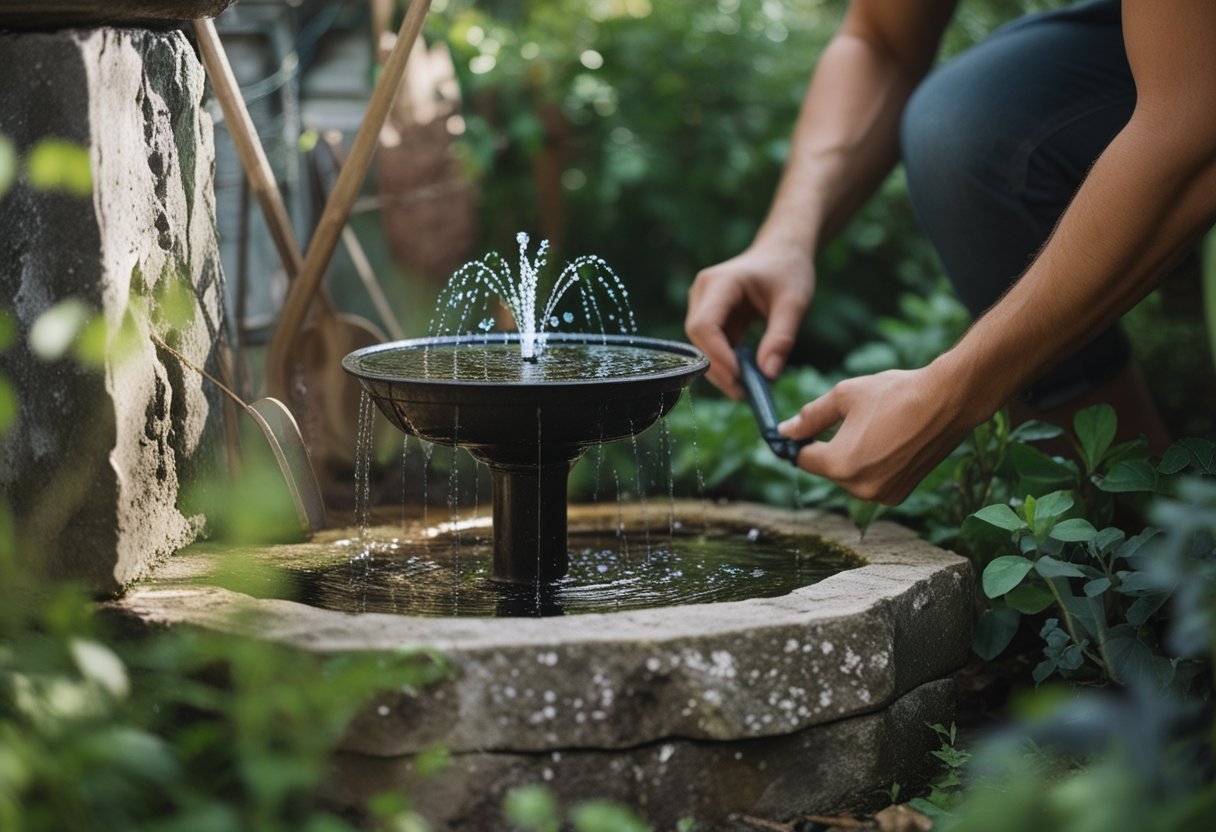
Here’s a guide through creative options — from repurposed pots and birdbath bowls to wall panels and enclosed kits — so you can pick a design that matches your style and space. You’ll see which ideas suit patios, tiny yards, or shaded corners, plus clear guidance on placement, materials, and small upkeep steps that keep your fountain running.
1) Repurposed Terracotta Pot Tiered Solar Fountain
Turn broken or mismatched terracotta pots into a charming stacked fountain that runs on a small solar pump. This is a hands-on project you can finish in an afternoon.
Start with pots that nest or stack by size. Seal porous terracotta inside with a clear masonry sealer to prevent leaks and reduce sweating. Place a compact solar fountain pump in the top bowl and route the cord through drilled holes or a hidden channel.
Use river stones or pea gravel to hide the pump and steady the stack. A common mistake is over-tightening the sealant or blocking the pump intake — keep the flow path clear. If shade limits sun, switch to a floating solar pump or add a tiny battery backup.
2) Glass Birdbath Bowl with Floating Solar Pump
Choose a clear glass bowl and a floating solar pump to create a simple, elegant fountain you can move as needed. Place the bowl where birds can see nearby cover — they like safety and a clear flight path.
Center the pump and test it on a sunny day. If flow is weak, clean the pump and angle the panel toward midday sun. A common mistake is overfilling the bowl; leave a 1–2 inch gap to prevent splashing and to slow evaporation.
Use pebbles or a shallow saucer to steady the pump and add texture. Expect algae in warm months — swap water weekly and scrub the bowl gently. Try a shallow lip for bathing birds rather than a deep basin.
3) Vintage Teapot Solar Bubbling Feature
Use a cracked or thrift-shop teapot as the focal point. Fit a small solar pump inside a waterproof basin under the spout so water bubbles out gently. This keeps the teapot light and avoids drilling fragile ceramics.
Place river stones around the base to hide the pump and secure tubing. Test sunlight angles — solar pumps stall in shade — so move the fountain until it runs consistently. A common mistake is using a too-weak pump; pick one rated for shallow features.
Dress the scene with trailing plants or a low pedestal to lift the teapot for better flow. Try it this weekend and tweak placement for steady bubbling.
4) Half-Barrel Rustic Solar Fountain with Flower Border
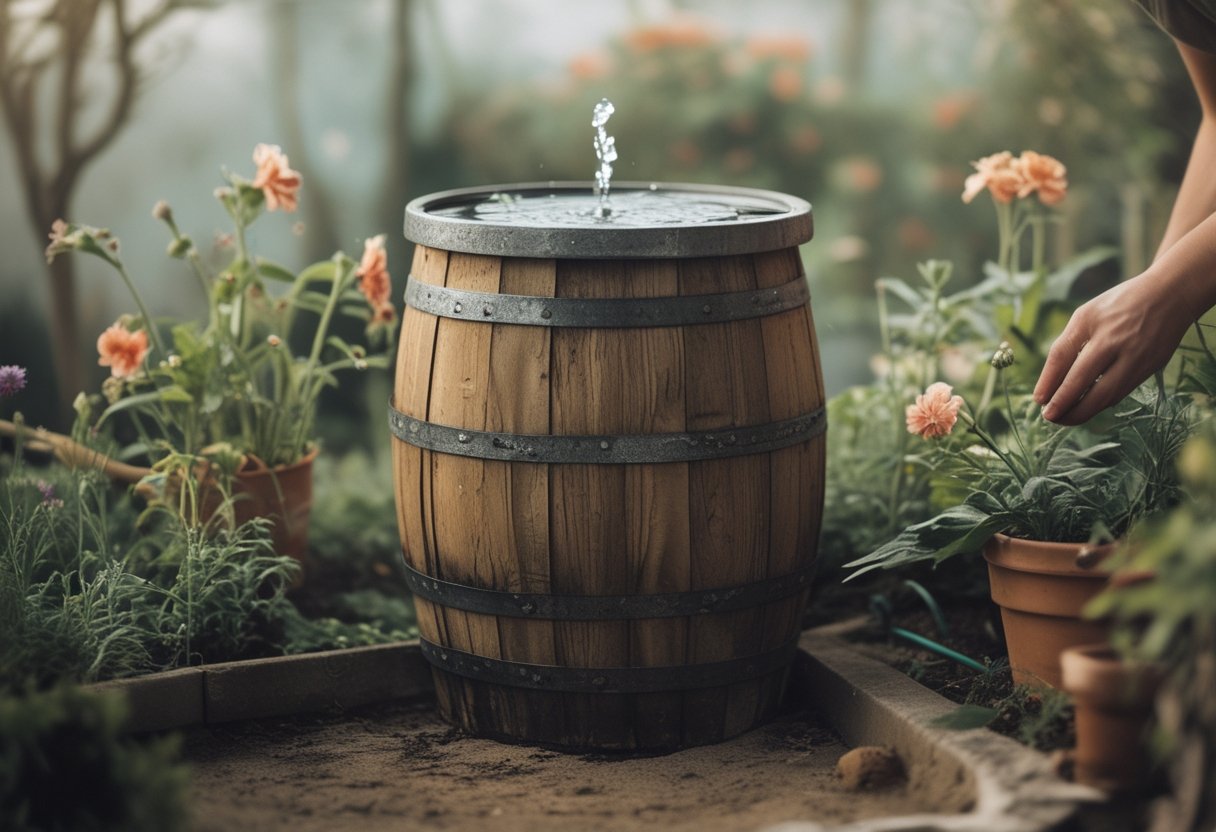
Build a simple, charming half-barrel fountain that uses a solar pump and flowers around the rim.
Place a solar pump in the barrel center and hide the cord under gravel. Line the barrel to hold water, then set the pump so a gentle stream spills over the cut edge. Use hardy annuals like petunias or geraniums around the rim for color and to mask the liner.
Common mistake: overfilling plants that need drainage — give them separate pots inside the rim. If the pump sputters, add more water or clear debris from the intake. This project fits small corners and takes one afternoon to assemble; try it where you want birds and soft water sound.
5) Stacked Slate Plate Solar Cascade
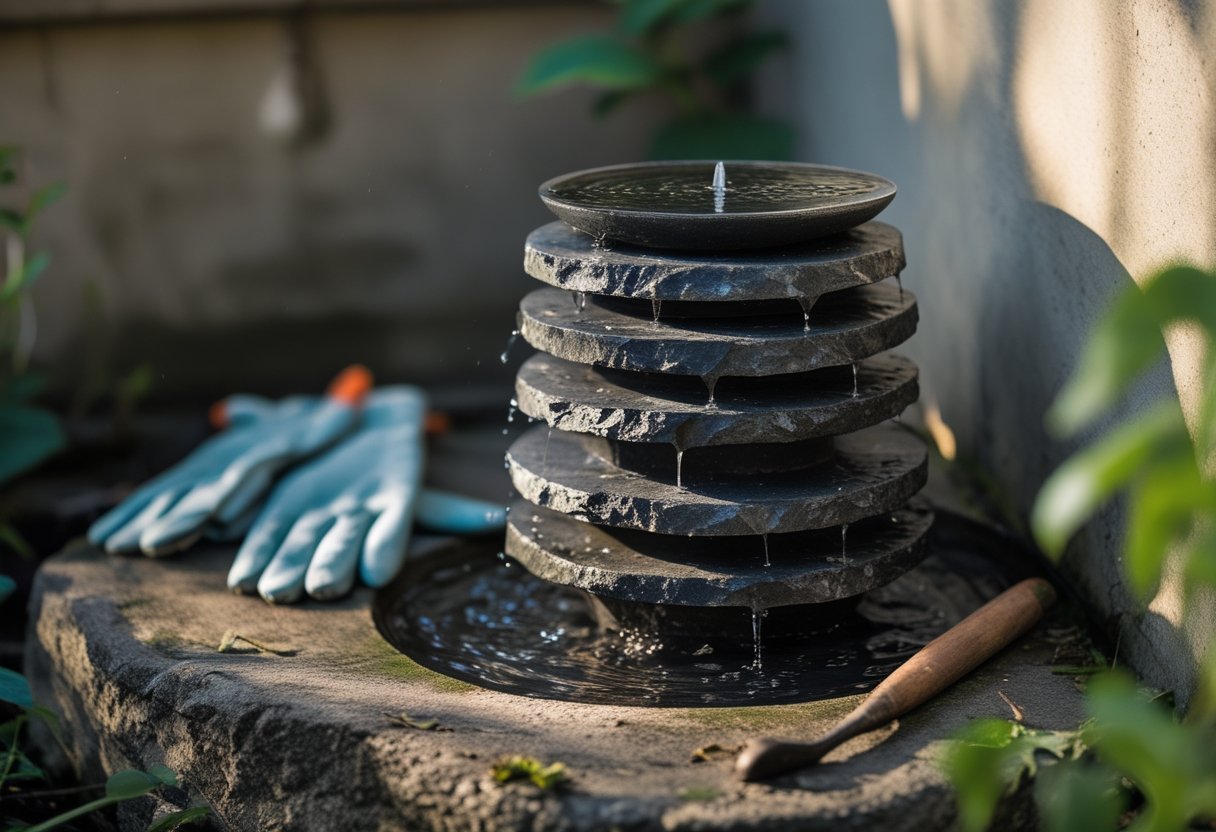
Build a low-profile cascade using stacked slate plates and a solar pump. You’ll layer flat slate discs with a small gap for water to spill over, keeping the look clean and the sound soft.
Place the stack on a level base and use a hidden basin or shallow container underneath. Pick slate pieces with a natural lip so water flows in sheets; seal between plates with silicone to avoid leaks. A small solar pump rated for continuous flow works best in bright sun.
Watch for common mistakes: uneven plates that splash, oversized pumps that drown the cascade, or too-deep basins that hide the pump. Test flow before final placement and secure plates against wind. Try adding low LED lighting at the base for evening ambiance and adjust the spill gap until the sound matches your garden mood.
6) DIY Ceramic Planter Solar Bubbling Spout
Add gentle water sound without wiring. Use a glazed ceramic planter, a small solar pump, and a short rigid spout to create a bubbling center that stays tidy and bird-friendly.
Start by centering the solar pump inside the planter on a flat rock or foam pad. Cut the spout to sit just above the rim so water arcs back into the bowl; test pump flow in bright sun. A common mistake is using thin plastic planters that flex and leak — choose ceramic or resin for weight and durability.
For style, stack a shallow saucer on the planter and hide tubing under decorative stones. If flow drops, clean the pump screen and check panel angle toward midday sun. Try a matte white planter for contrast or a textured glaze to catch light and moss.
7) Wall-Mounted Copper Solar Fountain Panel
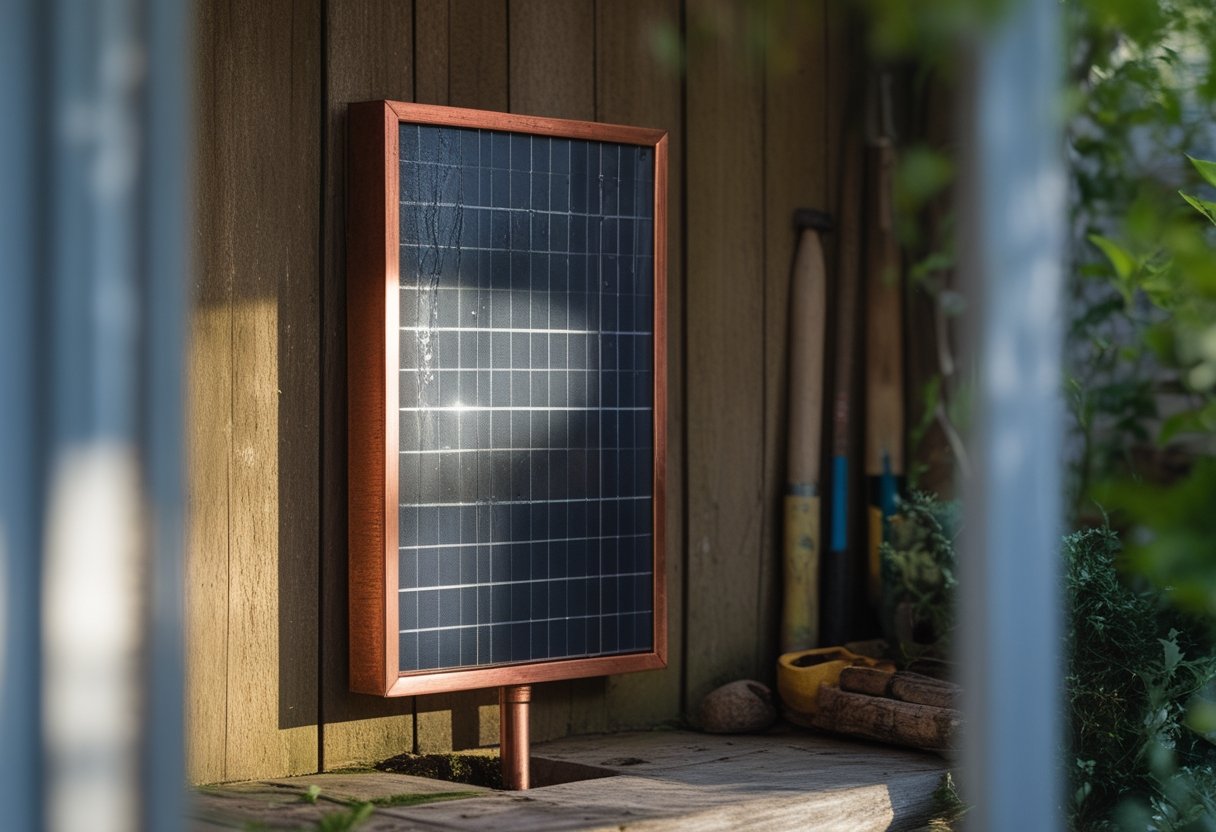
Add a low-maintenance focal point to your wall. A copper panel ages beautifully, developing a greenish patina that adds charm over time.
Mount the panel at eye level so you can hear and see the water easily. Use a solar panel placed where it gets direct sun; avoid shaded spots that will stall the pump.
Common mistakes include mounting on weak siding or near heavy splash lines; use proper anchors and a slim drip tray to protect the wall. If you want a warmer look, polish the copper and seal it for a few seasons before letting the patina form.
Picture this: a quiet morning, water tracing a curved copper face above your herbs. Try one and test placement for at least a week before final mounting.
8) Solar-Powered Moss-Covered Stone Basin
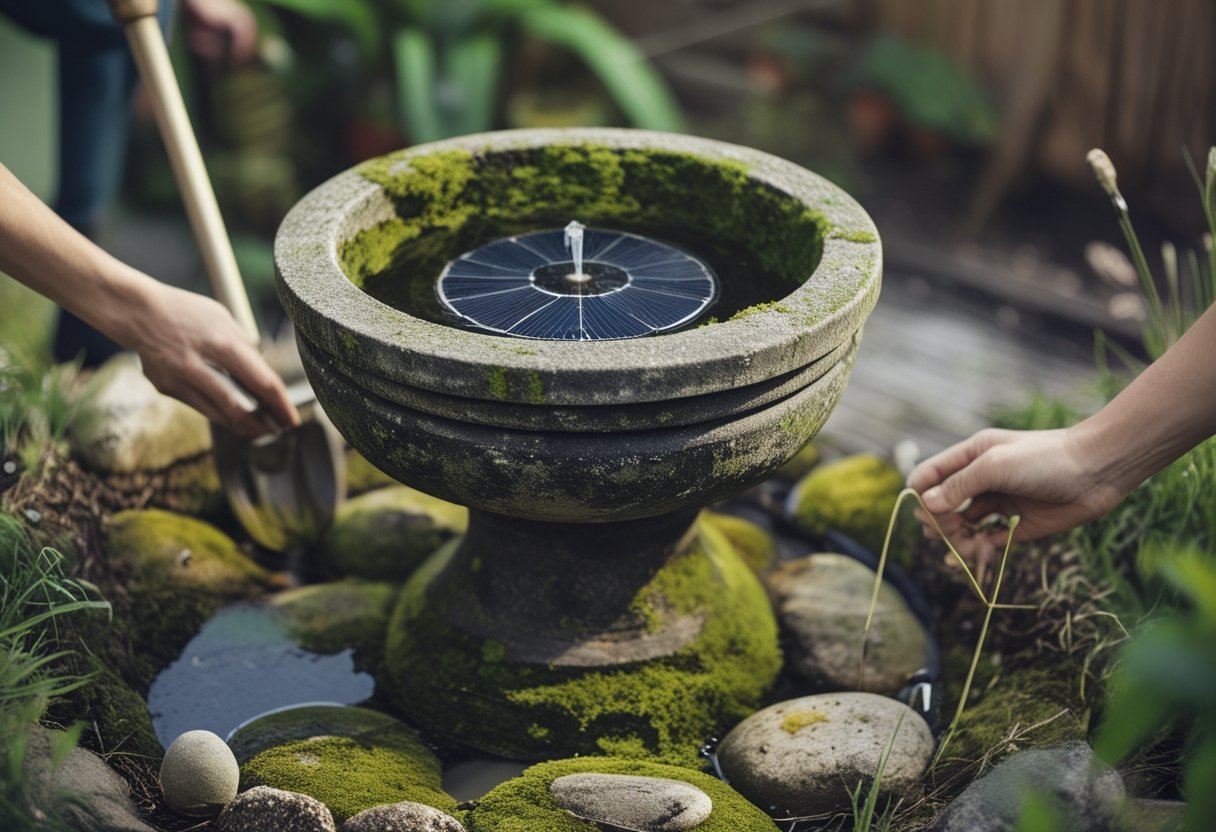
Make a quiet, natural water spot that blends with shade and stone. Use a shallow stone basin, a small solar pump, and a shady corner where moss already grows or can be encouraged.
Place the pump low so water trickles gently over the stone. This keeps splashing minimal and helps moss stay moist without washing away. Use smooth river stones to hide tubing, and avoid high-flow pumps that strip moss.
A common mistake is planting moss on dry soil. Press moss onto damp mortar or a damp surface and keep it shaded for several weeks. If clouds lower sunlight, add a small panel or choose a pump that stores energy for brief overcast spells.
You’ll get a low-maintenance, ancient-looking feature that attracts birds and calms the space. Try one basin first; once you master placement and flow, expand around the garden.
9) Miniature Pond with Solar Fountain Head
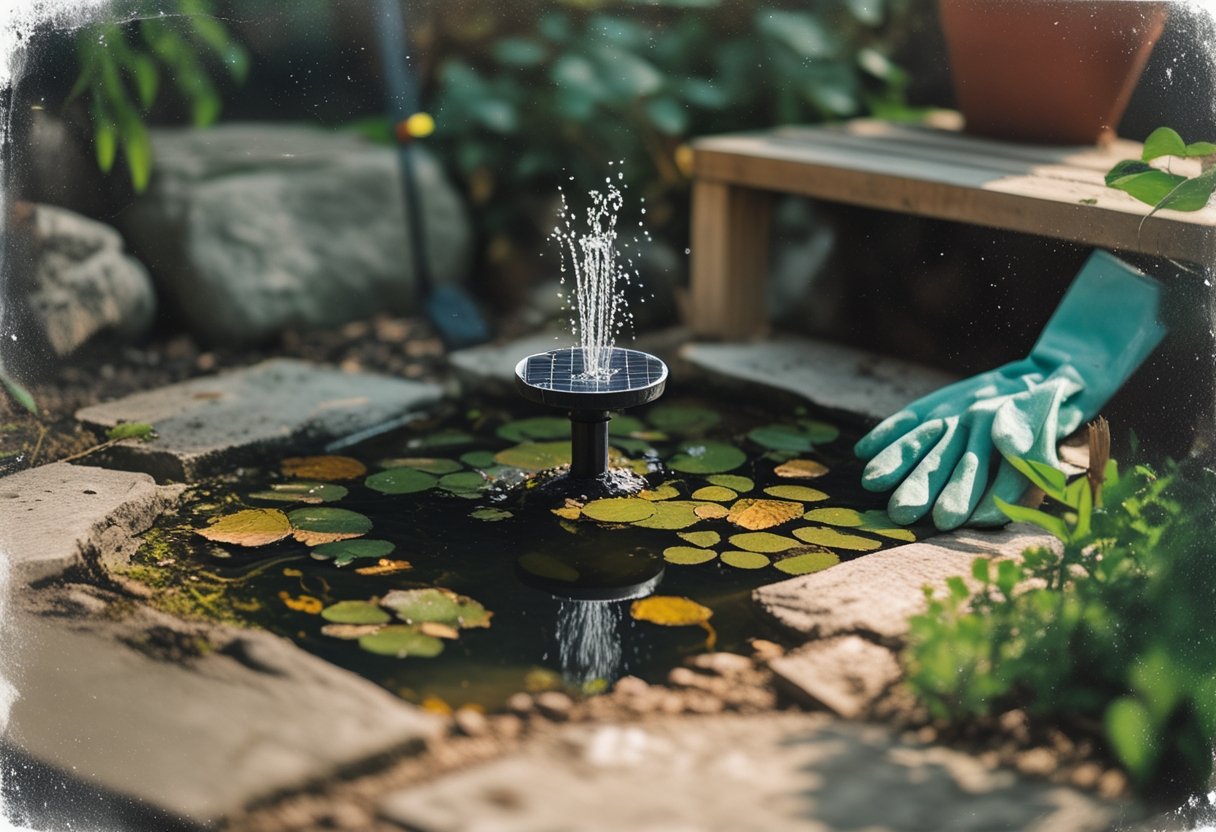
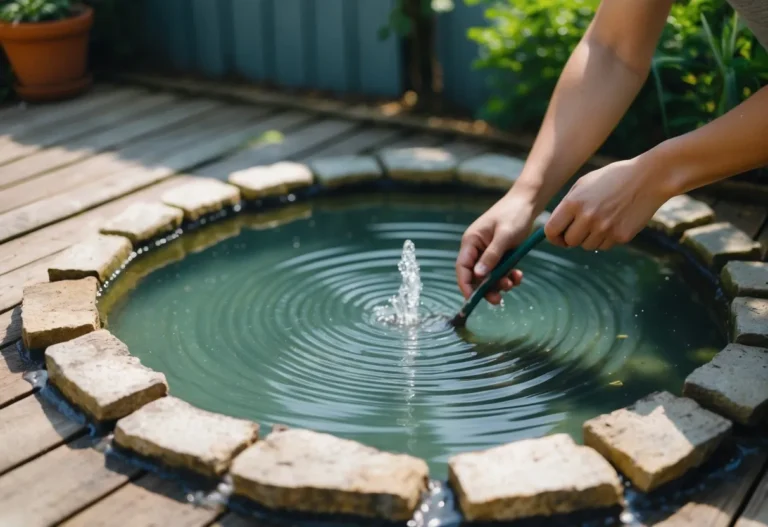
Build a small pond with a solar fountain head for a quiet focal point in a tight corner. You choose a shallow liner, a compact pump, and a solar fountain kit that fits the pond size.
Start by sinking a preformed bowl or flexible liner into the ground or a container. Place the solar fountain head on a flat rock or pedestal so spray clears surrounding plants. A common mistake is placing the panel in shade; test sun exposure at midday for best runtime.
Use gravel and marginal plants to hide edges and stabilize the liner. If algae appears, add circulating water or a few aquatic plants to compete with it. Try a low-arc nozzle for subtle sound, and swap nozzles seasonally to change the look and sound.
10) Enclosed Solar Fountain Kit for Small Patios
Choose an enclosed solar fountain kit when space is tight and maintenance must be simple. These kits keep the pump hidden and reduce splash, so water stays contained on a small patio.
Pick a kit with a compact pump and a panel you can angle toward sunlit spots. A common mistake is placing the panel in shade; test sunlight through the day before mounting.
Install the kit on a stable, level surface and use a shallow basin to avoid spills. If you want airflow, leave a small gap around the enclosure to prevent algae build-up and to allow birds safe access.
Look for kits with replaceable nozzles and clear setup instructions to make repairs easy — a good one can be installed in an afternoon.