10 Cheap Patio Cover Ideas That Actually Block the Sun (No Permit Needed)
You want a cooler, more usable patio without paying for permits or a big contractor. You’ll find practical, affordable covers that block sun, add privacy, and fit into yards of all sizes — from simple shade sails to DIY pergolas and blackout curtains. You’ll learn easy options that actually block harmful sun and stay within common no-permit limits so you can act fast and save money.
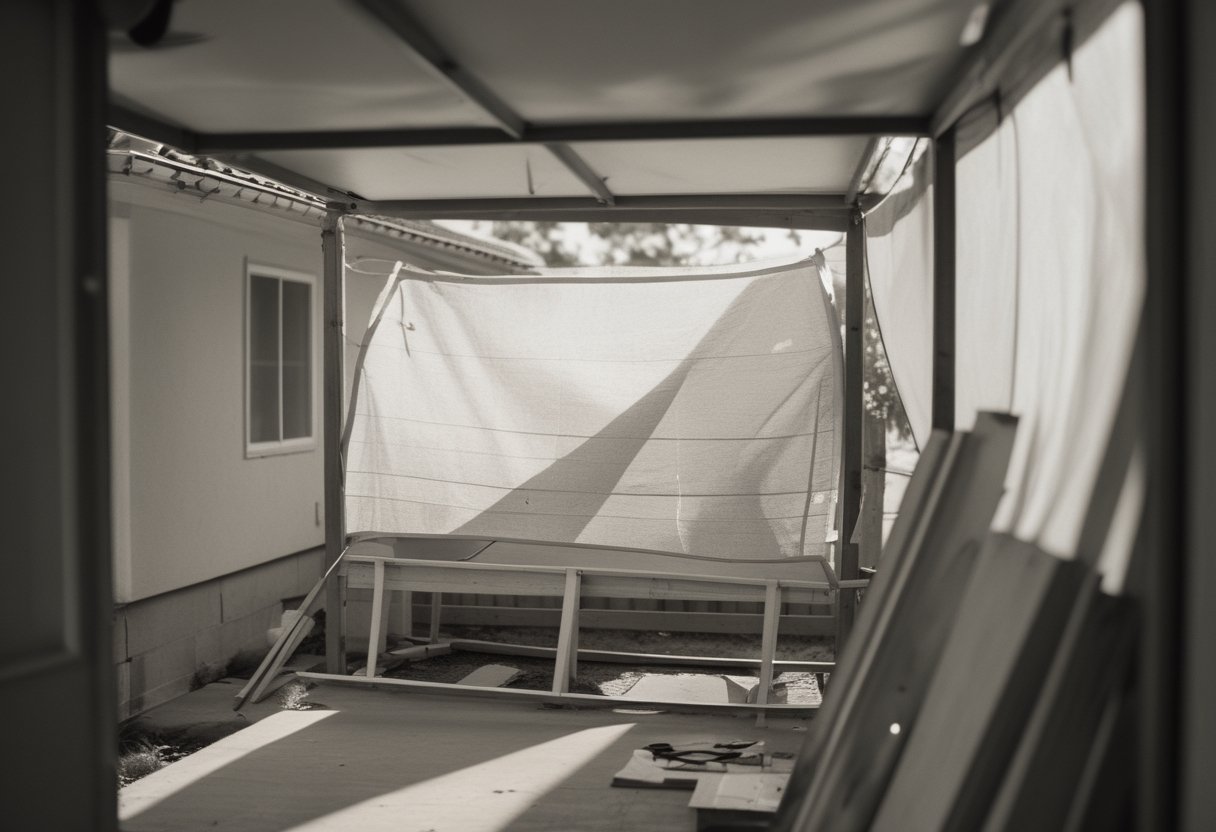
Here’s a rundown of proven ideas, quick how-to tips, and budget-minded swaps so you avoid costly mistakes like sagging shade sails, poor anchor placement, and wrong fabric choices, and get reliable shade that looks good. Pick a style, plan the anchors, and you’ll be ready to build a smart, sun-blocking cover this weekend.
1) Rectangle Shade Sail
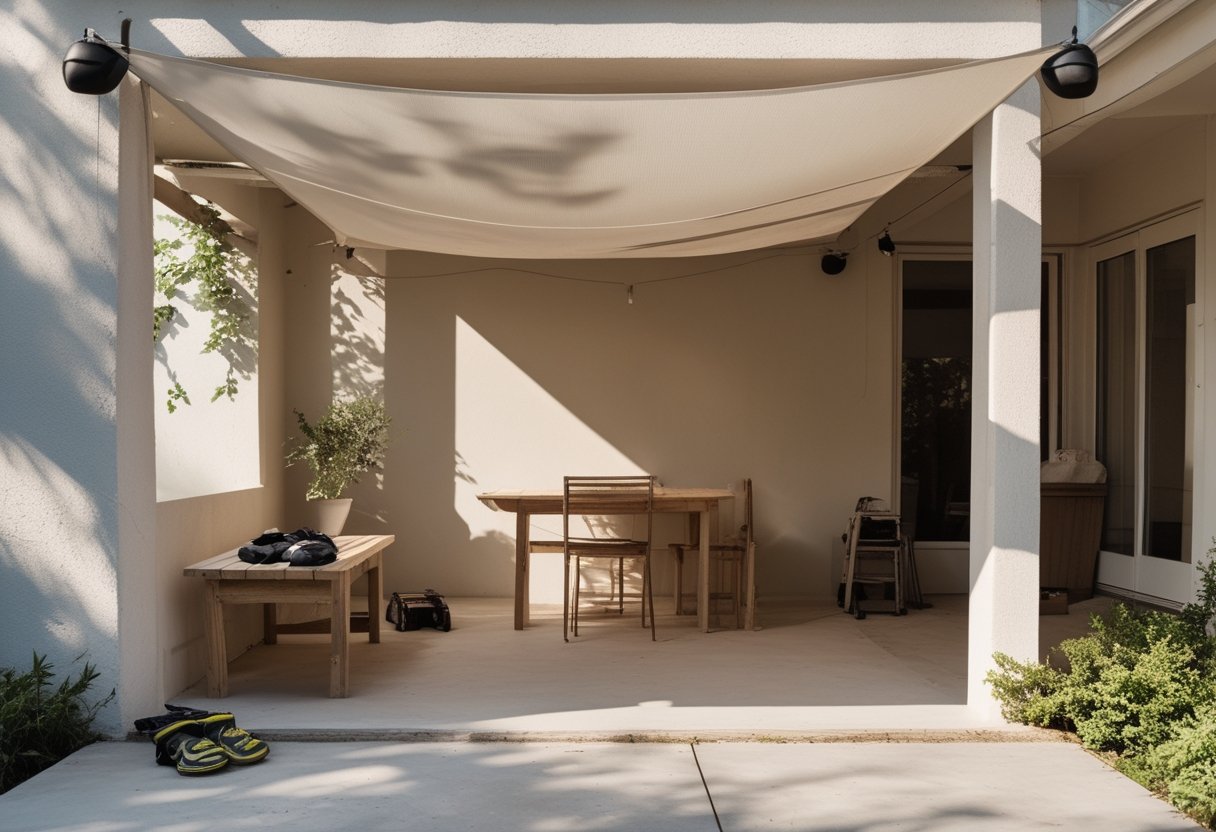
Add a durable, no-permit shade over a small patio with a 10’x13′ rectangle sail in a marine-grade fabric. You get strong UV protection and fade resistance, so your cover looks good for years.
Measure from D-ring to D-ring and buy a sail slightly smaller than that span to avoid sagging. Mount to posts, walls, or trees; use proper anchors and allow 6–12 inches for hardware so the sail stays taut.
Common mistake: ordering the exact patio size and ending up with a droopy sail. Many DIYers inset the anchors a bit and tighten after a few days to get the right tension.
This makes a neat, low-maintenance cover that fits small patios and patios near water.
2) DIY 3-Post Angled Shade Sail (UV-Blocking Fabric)
Build a simple three-post shade sail that blocks most UV while staying budget-friendly.
Start by laying out the triangle on the ground to pick post spots. Use one low corner and two higher corners so rain sheds off; this angle stops pooling and helps tension the fabric. Use steel or treated wood posts set in concrete for strength — flimsy posts fail under wind.
Measure sail edges twice before cutting or buying fabric. Pick a high-quality UV-blocking fabric that lists UV percentage and look for 90%+ blockage. Add stainless steel D-rings and turnbuckles at corners to tighten the sail evenly.
Common mistake: underestimating tension. Tighten gradually and check posts after a storm.
3) Retractable Freestanding Canopy (No-Permit Model)
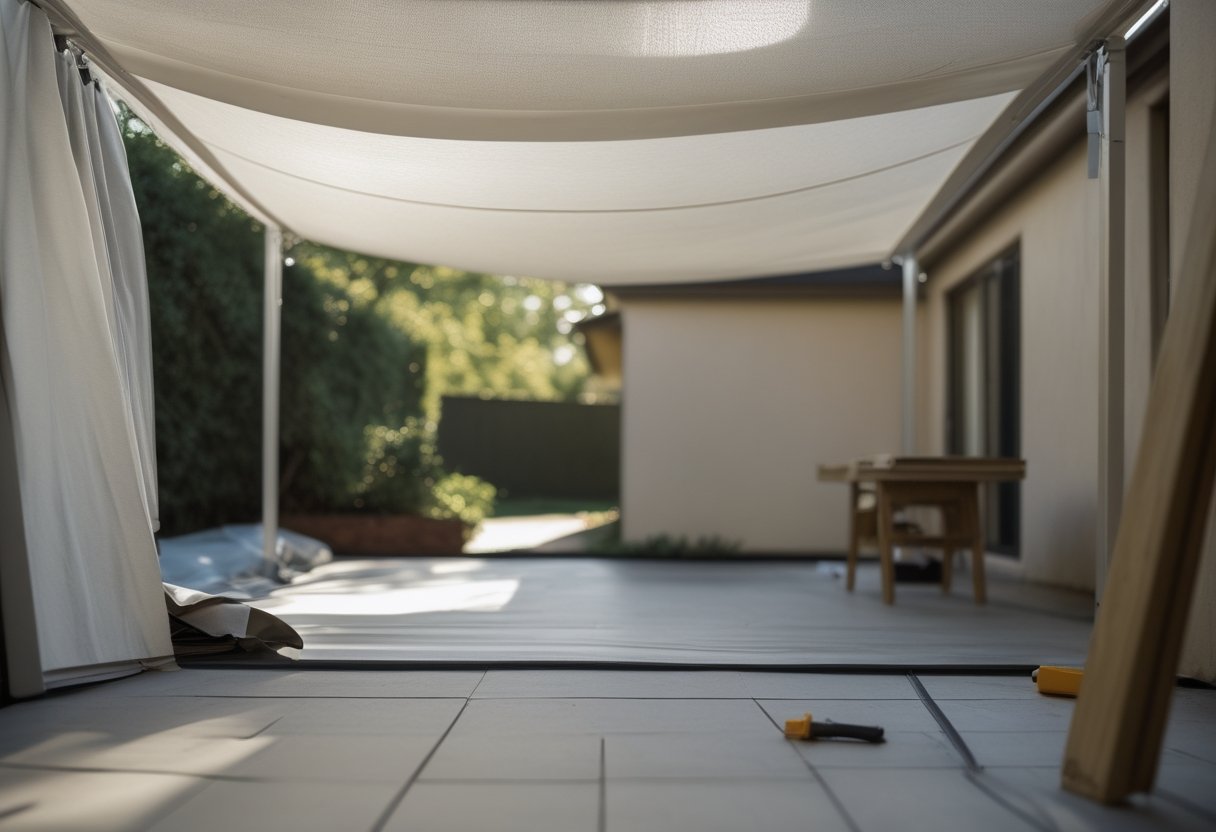
You want shade that moves with the sun and stays legal. A freestanding retractable 10’x12′ canopy gives adjustable coverage without attaching to your house, so you usually avoid permits.
Look for models with a sturdy metal frame and UV-resistant fabric. Install on a level surface and use weighted anchors or concrete pads to stop tipping; lightweight anchoring is a common mistake that leads to sagging or damage in wind.
Operate the canopy daily to keep fabric from pooling water. A manual crank or motorized unit both work; choose based on how often you’ll adjust it.
If you want shade now, pick a model with good reviews, plan secure anchoring, and set aside an afternoon for assembly.
4) Bamboo Roll-Up Patio Screen (Mounted to Existing Posts)
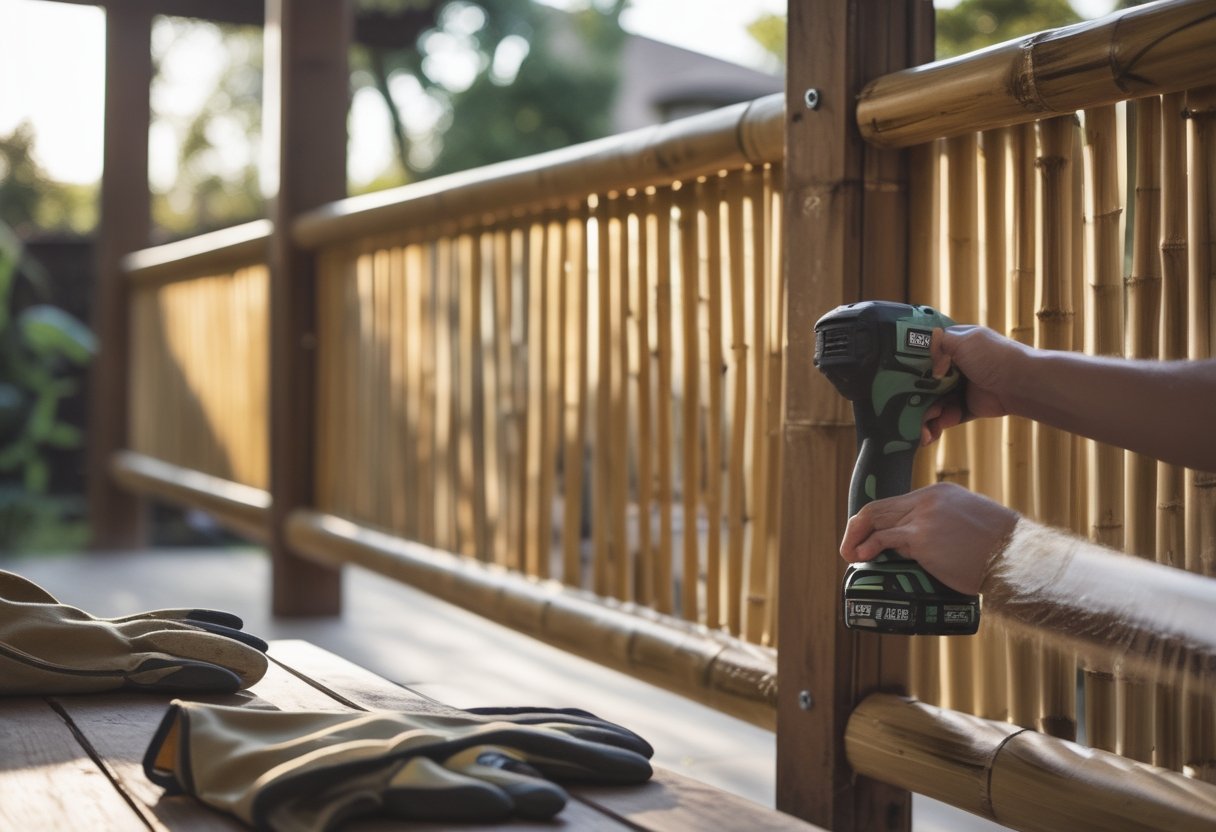
Add bamboo roll-up screens to existing posts for fast, low-cost shade and privacy. Measure between posts, then cut or trim the roll to fit — rolls often come in common sizes like 4 x 13 ft but can be trimmed for a snug fit.
Attach with zip ties, stainless steel screws and washers, or simple brackets. A common mistake is pulling the screen too tight; that stresses fasteners and causes sagging later. Leave a little give so wind can move the screen without tearing it.
Bamboo lets air pass while blocking direct sun, so it cools without killing the breeze. For longer life, pick outdoor-rated bamboo and re-tie loose slats each season. Try mounting one roll per section so you can roll up only the panels you need.
5) DIY Cedar Pergola with Attached Fabric Cover
Build a cedar pergola and bolt on a marine-grade fabric shade for real sun protection. You’ll get the wood strength of cedar and solid weather performance without a complex roof permit.
Start by sizing the pergola to match your patio and local wind loads. Use 4×4 or 6×6 posts set in concrete; a common mistake is skimping on post depth, which causes wobble later.
Attach the fabric rectangle between beam D-rings and anchors, leaving slight tension to avoid sag. Measure D-ring to D-ring and pick anchors inset a few inches to prevent droop — many people buy exact fabric size and end up with a loose sail.
Finish with stainless steel hardware and trim cedar with a clear oil.
6) Repurposed Sailcloth Suspended Between Trees
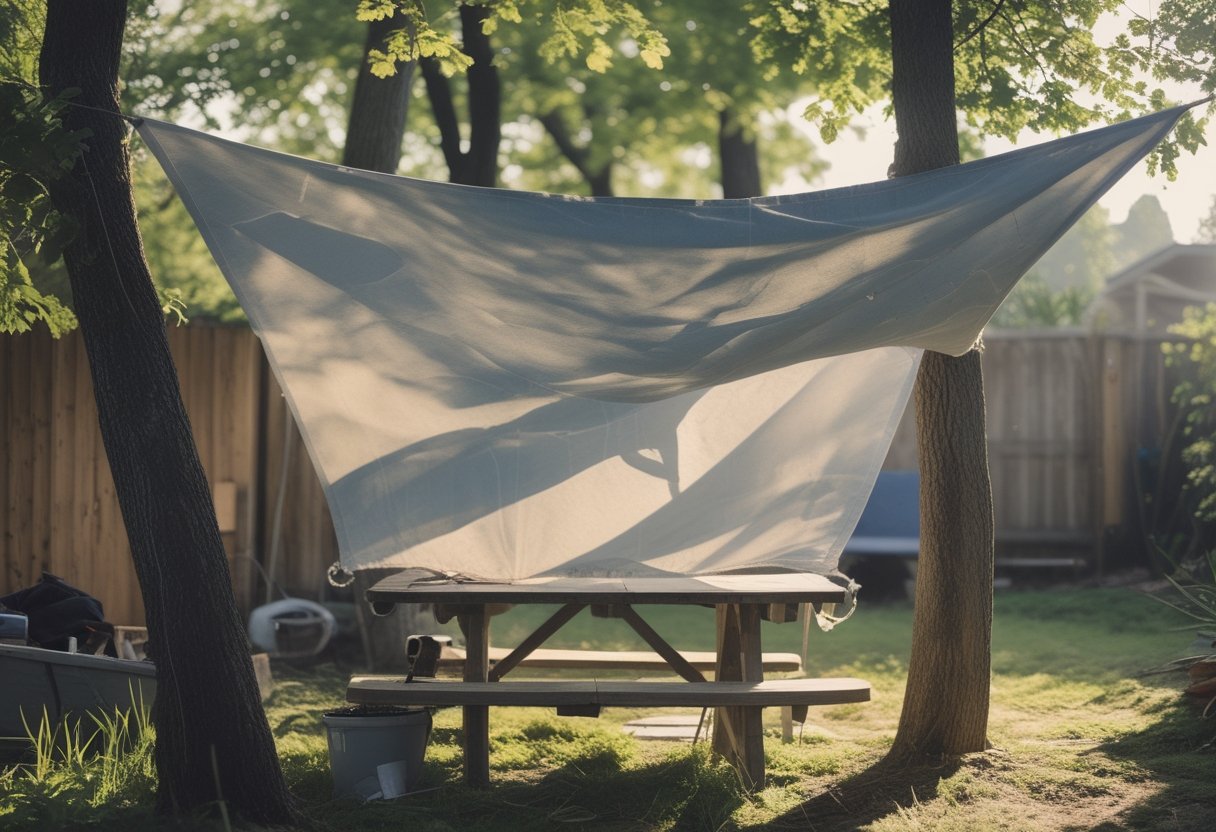
This is a practical DIY project you can do with thrifted sailcloth or old boat covers. Measure between trees, then cut the cloth slightly larger than the span so you can add reinforced hems and D-rings.
Attach the cloth high on tree trunks using tree-friendly straps or wrapped webbing to avoid damage. Expect some sag; tension the corners with turnbuckles and check after rain.
Common mistakes include underestimating wind load and skipping reinforced corners. If you use waterproof sailcloth, you’ll get light rain protection too, but test drainage angles to avoid puddles.
You can make it look neat by folding hems and matching hardware. Try a lighter color to reflect heat.
7) Vertical Outdoor Blackout Curtains on Tension Rods
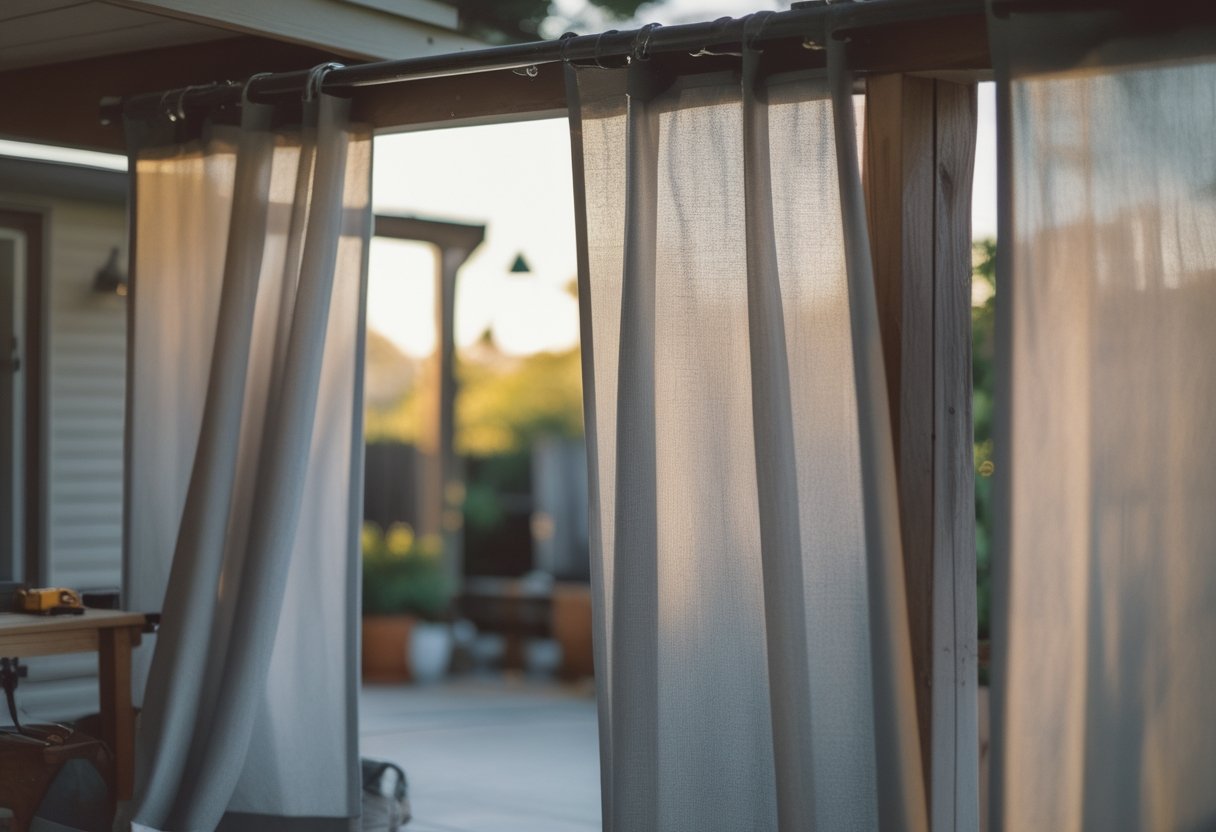
Add true sun blocking with vertical outdoor blackout curtains hung on tension rods. These curtains fit between posts or under eaves with no drilling, so you avoid permits and keep installation simple.
Choose waterproof, UV-resistant blackout fabric and a strong telescoping tension rod. Measure twice; a common mistake is buying a rod that sags under fabric weight. Clip rings make sliding easier when wind picks up.
For a low-cost setup, use heavy outdoor grommet curtains and rust-proof rods from big stores or DIY with conduit pipe. If wind is strong, add bottom weights or tiebacks to stop billowing. Test one panel first to confirm fit and sun coverage.
Try a light color to reflect heat, or dark for full shade.
8) Corrugated Polycarbonate Lean-To Roof (Attached Under 8′ Height)
A simple, low-profile lean-to using corrugated polycarbonate gives shade without permits if kept under an 8′ attachment height. You bolt the panels to a light aluminum or steel frame that fastens to your house fascia.
This is a hands-on project you can do in a weekend with basic tools. Cut panels to length, keep a 5°+ slope to avoid water pooling, and cap panel ends to stop dirt and insects. A common mistake is too-flat installation — it causes algae and trapped water.
Choose UV-rated corrugated sheets for sun protection and light transmission. Check flashing details where the roof meets siding to prevent leaks.
Measure twice, seal well, and expect bright shade that still feels open. If you want, test one panel layout first before finishing the whole cover.
9) Stacked Pallet Pergola with Shade Cloth Roof
Build a simple pergola from stacked pallets and top it with UV-rated shade cloth. This keeps costs low and avoids permits in most areas because it stays under typical height limits.
Start by selecting straight, clean pallets and dismantle them carefully. Use thicker pallet boards for posts and crossbeams; screw and bolt joints for strength. A common mistake is skimping on fasteners — reinforce corner connections to stop wobble.
Attach grommeted shade cloth across the top and tension it with ratchet straps or bungee cords. Pick a cloth with high UV block and allow a slight slope so water runs off. If you want a cozier look, drape fabric edges or add climbing plants later.
You’ll need basic tools and one helper for lifting. Test stability before use and tighten hardware after the first week of weather exposure.
10) Custom UV-Rated Shade Panel
You can order a custom UV-rated panel to fit odd-shaped patios or pergolas. Good marine fabrics resist fading and block sun without a full roof, so you cut heat and glare where you need it most.
Measure D-ring to D-ring and decide on anchor points before you buy. A common mistake is ordering the exact area size — that causes sagging. Ask for a slightly smaller panel or plan inset anchors to keep a taut, neat look.
Installation is simple with basic tools and grommets. If you pick a durable fabric, you’ll avoid frequent replacement after one season. Consider color and opacity: darker fabrics block more sun, lighter ones keep things brighter.
Buy a test swatch first if you can. Then mount, tighten, and enjoy cooler shade; tweak anchors if the sail droops.